Joe Fox, Outdoor Recreation Manager, Northern Forest Center
This blog is the second in a multi-part series exploring the many factors that go into building mountain bike trails that are not only fun to ride, but that can withstand heavy use and increasingly frequent extreme weather events.
In this month’s edition of our sustainable mountain bike trails blog (see our first post), we’ll talk about the many considerations for planning for a new trail that’s environmentally, socially, and economically sustainable.
For this exercise, let’s assume the following scenario:
A landowner approaches a local non-profit, volunteer-led trail organization about their willingness and desire to see trails built on their property that will be open for free public access. They own 250 acres of rolling terrain with a mix of forested land and fields, and a beautiful stream runs through the property. The land is close to another parcel of land that the trail organization manages and has trails on. The landowner is even willing to donate $10,000 to the trail organization to construct the trails.
Sounds pretty sweet, right?! Well, it might be. But before your organization busts out your trail building tools, it is extremely important to do some due diligence and look at the potential trail through a sustainability lens. Additionally, it is highly advisable to get everything in writing with the landowner, spelling out what activities are and are not permitted, any seasonal closures that may need to be enforced, and how long access is being granted for; this is key if going for some grants. Here are just some of the questions that you should be thinking about. While this may seem overwhelming, many resources exist to help you plan for success. We have included links to several resources below.
Environmental Concerns
- Does the land have any protective covenants on it (e.g., easements) that preclude recreational trails from being constructed?
- Are there any sensitive habitat areas (such as a deer wintering yard), species of concern, or other environmental concerns?
- Is there any presence or likely presence of cultural or historic artifacts?
- Are there wetlands?
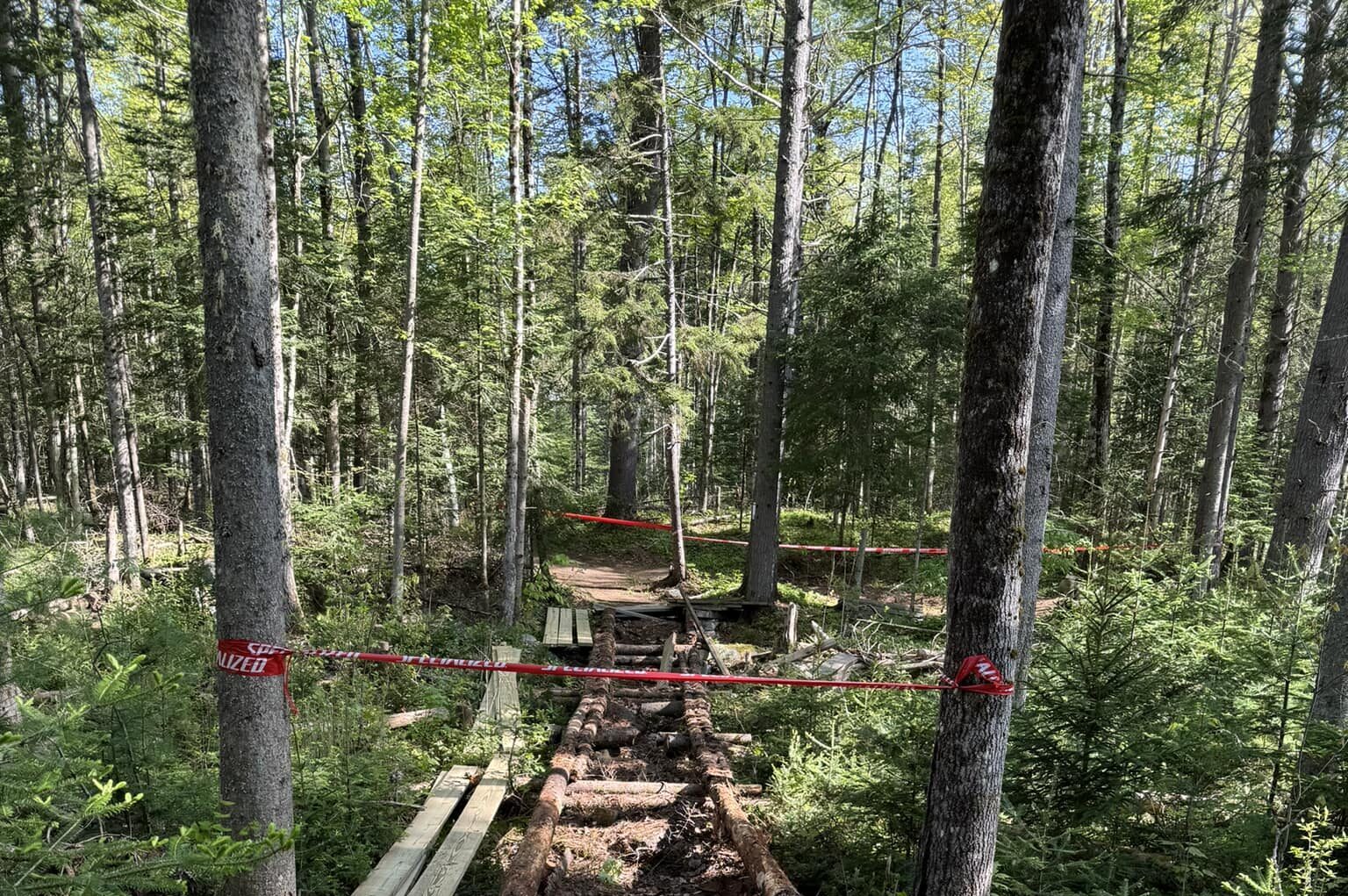
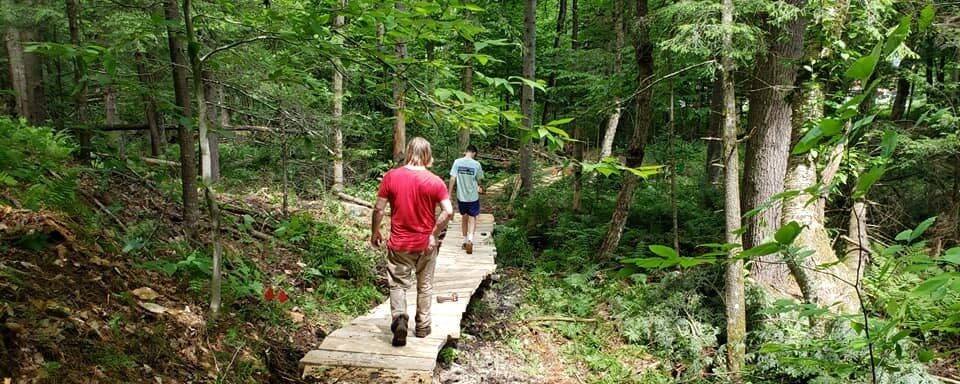
- Will the trail cross a stream or brook? If so, how? A bridge? A culvert? Rock armor and ride right through it? Is a stream alteration permit needed? Is there a riparian setback requirement?
- How feasible is trail construction? How will you manage water?
- What is the slope of the land? What is the soil composition?
- What is the aspect of the land? (Will trails be south facing and receive more daylight, or will they be north facing and receive more shade?)
- What seasonal uses are planned for the trails? How might that effect usage patterns and erosion control concerns?
- Is the land in any kind of timber management program? If so, how will future timber harvests impact a potential new trail network?
Social Concerns
- Will the landowner allow permanent trail access?
- How will this impact neighbors and what are their concerns?
- Has local government been informed of plans and are they supportive?
- Have you consulted with local rescue and EMS services?
- What kind of public process will there be to inform folks of plans and seek input?
- What does the access to the planned trails look like? What is the neighborhood like? What is the parking capacity?
- Who is the intended user group? Locals, visitors, or both?
- What activity(ies) will be allowed on the trails? Will any user group have priority over another group?
- Will dogs be allowed?
- Will trails be directional?
- What experience level are the trails being designed for?
- What kind of variety of trails will there be? (Tech? Flow? Skills park?)
- How many users do you anticipate?
- How will you direct folks around the trails?
- Where will folks use the bathroom?
- Does your organization have the volunteer and/or staff capacity to maintain the trails to a requisite standard of care and to manage user communications, public outreach, and handle user conflicts?
Economic Concerns
- Beyond the cost of permitting and trail construction, what is your organization’s capacity and experience with raising funds for signage, other trail amenities, and long-term maintenance?
- Can your organization fund this new trail or new trail pod while still meeting your other fiscal responsibilities?
- Have you considered potential legal/ insurance costs?
- If applying for grants, what is your organization’s capacity to ensure that all grant guidelines are being followed, that expenses are being tracked properly, and that reports are submitted to funders in a timely manner?
Finally, we want to share some resources that you may find extremely helpful if you work with a group considering a new mountain bike trail.
Resources
- Outdoor Recreation Roundtable Rural Economic Development Toolkit
- IMBA (International Mountain Bike Association) Resource Hub
- American Trails Trail Planning and Design Hub
- US Forest Service Standard Trail Plans and Specifications
- Vermont Mountain Bike Association New Trail Playbook
- Vermont Town Forest Existing Conditions and Assessment Pod
- NYS APA and DEC Siting, construction, and maintenance of singletrack bicycle trails on forest preserve lands in the Adirondack and Catskill parks